Abstract
This study was conducted to evaluate the quality of drinking water in the Department of Dar Al-Fawakeh through its physical, chemical and biological characteristics, as well as to estimate the concentration of some heavy elements during September 2024. The pH, total dissolved solids (TDS), electrical conductivity (EC), temperature (TºC), turbidity (TNU), major cations (calcium Ca2⁺, magnesium Mg2⁺, sodium Na+, potassium K+ and ammonium NH4+), major anions (phosphate PO4-3, sulfate SO42-, nitrate NO3-, bicarbonate HCO3⁻, chloride Cl⁻, and fluoride F⁻) were measured, along with some heavy metals (lead Pb, iron Fe, copper Cu, and zinc Zn) from well water samples taken from sixteen (16) identified locations in the study area of Dar Al-Fawakeh Department, namely: Amzwair Madamqun, Makalan, Kelkite, Arbouguine, Ardebe, Foutoulkan, Omol (1), Mata, Djabal-annour, Hadjer-Madine, Amzwair Acimenti, Kokar, Tiktike, Migneri, Omol (2), and Am zwair Arrouhal. The samples were analyzed and the results were compared with the World Health Organization (WHO), European Union (EU) and the Chadian drinking water standards (C.S). The study revealed very high turbidity values (95, 91, 89.03, and 21.87 NTU) in the wells of Makalan, Madamqun, Kelkite, and Foutoulkan, respectively. These values exceeded the permissible turbidity limit (5 NTU) set by the WHO and the EU. The cation analysis revealed varying concentrations of calcium ions (Ca2⁺), including the value180.8 mg/L that exceeding the Chadian standard (100 mg/L). Ammonium ions (NH4+) reached a concentration of 1.02 mg/L, exceeding the WHO limit (0.5 mg/L). The anion analysis also showed high levels of bicarbonate (605.12 mg/L), phosphate (1.53 mg/L), and fluoride (2.67 mg/L). All these anions exceeded the WHO and Chadian standards, which are 200, 0.1 and 0.7 mg/L respectively. The results of heavy metal analyses showed high levels of lead (0.61 mg/L) and iron (1.03 mg/L) in the Tiktike and Am zwair Ar-rohal wells, respectively. These levels exceeded the permissible limits for lead (0.01 mg/L) and iron (0.3 mg/L) according to WHO) and Chadian standards (0.05 mg/L). Microbiological analyses also confirmed very high levels of microbiological contamination exceeding the WHO limits. Turbidity is an indicator of poor water quality and provides a fertile environment for microbial growth and the development of gastrointestinal diseases (diarrhea, dysentery, cholera) and other parasitic infections. Fluoride exposure leads to fluorosis (reddened teeth), skeletal fluorosis, osteoporosis in children and adults, and bone deformities, particularly in the legs, knees, and hips. Even small amounts of lead can cause cancer, kidney and nervous system inflammation, brain damage, anemia, severe constipation, vomiting, and general neurological disorders, headaches, paralysis, coma, impaired cognitive function, reduced intelligence, and aggressive behavior. These analyses indicate that most of the water in these wells is contaminated and unfit for drinking, negatively impacting the health of population and consequently their social and economic well-being.
Keywords
Drinking Water, Pollution, Physicochemical Analysis, Fruit House, Chad
1. Introduction
Water resources, with their characteristics and the nature of their exploitation, have been a subject of increasing interest since ancient times. Water has been, and remains essential for life and prosperity. It has been used as a tool for development and a fundamental element in building human civilizations through its contribution in irrigation systems projects and their progress development. The importance of water lies in its constituting a large part of the composition of living organisms, in addition to its significance in many different human uses, including agricultural, industrial, and civil applications
| [1] | Al-Mahdi, Muhammad Wanees Amjahid Al-Mahdi, Saleh Abdul Rahim Ahmed Al-Banqiyah and Khalifa Faraj Al-Qadri, Water Quality Assessment in Water Treatment Systems at Commercial Desalination Plants (Filters) in Ben Jawad City - Libya, Journal of Human and Natural Sciences, Volume (6), Issue (2), (2025), pp. 386, 391. |
[1]
. Despite the importance of water, human societies have faced significant natural disasters in which human activity played a major role, particularly in the absence of laws and regulations. Awareness of responsibility for the changes occurring on earth has led researchers to focus their attention on natural resources, especially water. Therefore, the water issue has begun to occupy a prominent place in all international forums. The importance of environment varies between industrialized and developing countries. In industrialized nations, various official corporations collaborate with civil society organizations to protect the environment, even if it means mitigating the risk of pollution and transferring it to developing countries
| [2] | Al-Hayek Nasr Al-Hayek, Introduction to Water Chemistry (Pollution, Treatment, Analysis), Publications of the Higher Institute for Applied Sciences and Technology, Syrian Arab Republic (2017). |
[2]
. Clean water obtained from rivers or wells is essential for life. If this water polluted due to the dumping of waste or the discharge of wastewater from domestic agricultural or industrial uses, carrying organic matter, minerals, salts, and pathogens, it becomes contaminated water and its suitability for human, animal, plant, fish, and all other aquatic life is compromised
| [3] | Jaber Zayed Barisha and Muhammad Ahmad Sharif, Water Pollutants: Their sources and treatment methods, 1st Edition - Cairo: University Publishing House (2018). |
[3]
. Water pollution is one of the most serious challenges facing water resources globally. Changes in the physical, chemical, and biological properties of water disrupt the cycle of this vital resource for all living organisms. Due to the pollution of this essential resource, United Nations reports indicate that one child dies every eight seconds from a waterborne disease. It is estimated that 50% of the population in developing countries suffer from waterborne illnesses, and approximately 80% of all diseases in developing countries are attributed to water pollution
| [4] | Harmel Obami Ondon, Martin Tchoumou, Kempena Adolphe, Christian Tathy and Bernard Mabiala, Effect of Seasonal Variability on the physicochemical quality of Surface and ground water of the Republic of Congo). International Research Journal of Environmental Sciences, (2024), Vol 13 (1). |
[4]
. Water pollution has multiple sources, including natural pollution caused by floods and flash floods, which can lead to the transfer and spread of chemical and biological pollutants that cause diseases and epidemics. There are also man-made sources such as municipal sources (like human waste), the most important of which are sewage, hospital and treatment center wastewater, animal waste, and industrial sources such as food and chemical factory wastewater, slaughterhouse waste, and leather tanning
| [5] | Ahmed M. B., Zhou J. L., Ngo H. H., Guo W., Thomaidis N. S., and Xu J., Progress in the biological and chemical treatment technologies for emerging contaminant removal from wastewater: a critical review. J. Hazard. Mater. 323, (2017), pp 274–298. |
[5]
. There is also pollution resulting from natural sources beyond human control, but which arise from natural phenomena such as gases, vapors, and nitrogen oxides produced by electrical sparks between clouds during lightning
| [6] | Asmaa Sayed Mohamed Zayed, Salma Mahmoud Taj El-Din, Christine Girgis Zaki, Manar Mohamed Shukri and Menna Allah Nasr Ibrahim El-Desouki, Developing awareness among high school students about the problem of environmental pollution through geography courses. Ain Shams University, AASH, Volume 1 issue 1, (2024), p. 4. |
[6]
. Chemical pollution often results from increased industrial or agricultural activities near water resources, leading to the leakage of chemicals into those resources
| [7] | Hani Abdel Qader Amara, Water Between Science and Faith, First Edition, Zahran Publishing and Distribution House, (2011), p. 307. |
[7]
. Agricultural pollution, for example, involves pesticides and fertilizers that accumulate in the soil and become a source of water pollution through rain, which accelerates the movement of pesticides in soil particles, thus transferring them to the aquatic environment
| [8] | Habib Fadlallah Youssef, Abdel-Aali Idris Muhammad, Groundwater Quality Assessment and Potability Assessment of Some Wells in the Municipality of Amsaad, Al-Manara Magazine, Issue 4, (2021), p. 102. |
[8]
. Heavy metals in wastewater have also become a serious environmental problem in recent years due to the significant damage they cause to ecosystems and human health, even at very low concentrations. Heavy metal pollution is a major environmental burden, and because they are not biodegradable, they cause health problems such as vomiting, diarrhea, and even cancer. Furthermore, the concentration of heavy metals in water leads to the death of aquatic life, oxygen depletion, and algal blooms. When heavy metals are discharged into water, they are converted into ions, which form Much more dangerous than metal particles
| [9] | Jumaa Abdel Gawad Mohamed Ali, Advanced Nanomaterials for Water Treatment - Environmental Dimensions, Department of Chemistry, Faculty of Science, Al-Azhar University, Assiut, Egypt, Arab Journal of Scientific Research Volume 4, (2023.), Issue (2). |
[9]
. Biological pollution results from an increase in disease-causing microorganisms, such as bacteria, viruses, parasites, and algae in water. This is mostly produced when human and animal waste mixes with water, either directly by being discharged into fresh or salt water bodies, or indirectly by mixing with sewage or agricultural wastewater. The presence of this type of pollution leads to many diseases
| [7] | Hani Abdel Qader Amara, Water Between Science and Faith, First Edition, Zahran Publishing and Distribution House, (2011), p. 307. |
| [10] | Laila Khurshid Arslan, Raw’a Radwan Abdul Bari and Sundus Hadi Juma, Treatment of Environmental Pollution of Industrial Water Contaminated with Sulfates in Al-Dura Refinery, Journal of the College of Basic Education, Volume 22, Issue 96, (2016), pp. 191-198. |
[7, 10]
.
Studying water properties allows to identify water quality and its suitability for various uses. The chemical composition of water is a result of its geological environment and surrounding environmental conditions. A range of factors influence the chemical composition of groundwater, including the physical and chemical properties of the soil, aquifers, and reservoirs, climate, vegetation cover, mineral composition, and human activities such as agriculture, industry, and mining. All these factors collectively play a role in altering the chemical properties of groundwater
| [11] | Dhamia Adham Hussein Al-Jabouri, Spatial variation in groundwater characteristics in Al-Muthanna Province and the possibility of investing it, University of Baghdad, Faculty of Education, PhD thesis, (2021). |
[11]
. Physical properties include taste and odor, temperature, pH, total hardness, total dissolved solids, electrical conductivity, and turbidity. Chemical properties include cations, anions, and heavy metals. Natural water is usually odorless and tasteless. If it develops an odor or taste, this indicates pollution or an abnormality
| [12] | Sumaya Abdel Halim Ali Abdel Halim, Wajdan Diab Al-Jaali Diab, Nasser Abdel Rahman Mustafa Abdel Rahman Ahmed Saif Al-Din and Mohamed Khair Ali, The suitability of domestic well water in Port Sudan, Red Sea State, Sudan. Journal of Human and Natural Sciences, Volume (3), Issue (12), (2022), p. 3, 295. |
[12]
. Groundwater temperature depends on several factors, most notably the reactions occurring in the rocks and water-bearing layers, and is measured using a mercury thermometer. An increase in temperature increases the speed of ions and thus increases electrical conductivity
| [13] | Boyd Claud E., Water quality and conduction, Kluwer Academin Publishers, USA, (2000), p. 5, 45. |
[13]
. pH indicates the acidity or alkalinity of water. Its value in water ranges from 0 to 14
| [14] | Manar Majid Hamid and Mustafa Muhammad Ali, A Study of the Variation in the Characteristics and Pollutants of Drinking Water in Nasiriyah City. Journal of Human and Natural Sciences, Volume (5), Issue (2), (2024), pp. 39, 40. |
[14]
. Total hardness (TH) is an important water characteristic, serving as a key criterion for determining water suitability for various purposes, especially industrial ones. It measures the water's calcium and magnesium content and is usually expressed as calcium carbonate equivalents. Total hardness is calculated as calcium carbonate
| [15] | Todd David K., Ground Water Hydrology. 3ed., John Wiley and Sons New York, USA, (2005), p. 535. |
[15]
. Total dissolved solids (TDS) represent the total amount of dissolved solids in water, including inorganic salts (calcium ++, magnesium ++, potassium ++, sodium ++, bicarbonate ++, chloride ++, and sulfate ++) as well as organic matter that decomposes in water
| [16] | World Health Organization (WHO), Safe Drinking water from Desalination. 20 Avenne Appia 1211, Geneva, 27, (2011), p. 423. |
[16]
. Electrical conductivity (EC) is a numerical value that describes water's ability to conduct electricity and is a quick way to observe changes in natural water and dissolved elements. An increased electrical conductivity value can cause an unpleasant taste in drinking water and is a significant indicator of both the total dissolved solids in water and its purity
| [17] | Huda Ahmed Mohammed Arjia, Groundwater Components and Their Suitability for Drinking and Irrigation Purposes in the Al-Marj Region, Journal of Human and Natural Sciences, Volume (3), Issue (1), (2022), p. 349. |
[17]
. Water turbidity (NTU) is an indicator of water purity and the quantity of suspended solids it contains. While transparency is a characteristic of pure water, water becomes turbid due to suspended solids such as clay, silt, some microorganisms, organic matter, fine suspended particles, and pollutants. The dissolution of various compounds and chemicals is what causes groundwater turbidity
| [18] | Al-Jumaili, Gasim Obaid Fadel, Groundwater and the possibility of investing in it in agricultural production in Al-Karma district, Master's thesis, College of Arts, University of Anbar, (2010), p. 65. |
[18]
. Cations include a group of positive ions such as calcium, magnesium, sodium, potassium, and ammonium. Anions are atoms or groups of atoms that have gained one or more electrons, forming a negative ion or ion group. Anions include chloride, sulfate, bicarbonate, nitrate, phosphate, and fluoride, among others. Heavy metals are known as volatile elements, trace elements, or secondary ions; these are metallic elements with an atomic number greater than 20
| [19] | Drever, J. I., The Geochemistry of natural water, Surface and ground water environments (3nd ed.) Prentice Hall, USA, (1977), P. 436. |
[19]
. The source of these elements is human activity and rock weathering. The importance of studying trace elements stems from their impact on human health and the livelihoods of animals and plants, even in very small quantities. Trace elements associated with sediments react with water to cause precipitation, and under suitable conditions, they are released from the sediments, leading to dangerous effects in water. Examples include lead (Pb), iron (Fe), copper (Cu), and zinc (Zn)
| [20] | Hussein Moussa Hussein, Assessment of Groundwater Pollution in the Nakra Al-Salman Area in the Southern and Southwestern Parts of Samawah City, Iraq, Journal of Geographical Research, Issue (16), (2010), p. 288. |
| [21] | Jaber Zayed Barisha and Mohamed Ahmed Sharif, Water pollutants, their sources and methods of treatment, Cairo Universities Publishing House. 1st edition, (2018). |
| [22] | Abdulateef Ali Akram and Kadhim M. Naser, A study of Irrigation water pollution by some heavy metals in Baghdad, IOP Conf. Ser.: Earth Environ. Sci. 910 012091, (2021). |
| [23] | Saleh A. Albbanqeeyah, Gabril Elshlmani, Khalefa Mosbah and Jadlmulah Masoud, Evaluation of Groundwater Resources and Their Suitability for Drinking and Irrigation Purposes in Al-Marj City, Humanities & Natural Sciences Journal, Volume 5. Issue 12, (2024). |
[20-23]
. The microbiological properties of water are represented by the microorganisms present, some of which are pathogenic. These organisms consume the amount of dissolved oxygen, which leads to the wilting of plants and the death of aquatic organisms, as some rivers and lakes turn into stagnant swamps known as the phenomenon of eutrophication, which helps spread environmental pollution in the places adjacent to them, in addition to some types of bacteria, germs and parasitic worms that cause many diseases such as typhoid fever, gastroenteritis, dysentery, skin diseases and other diseases
| [24] | Abdul Hamid Khalifa Muhammad, Al-Taher Masoud Shaaban and Ibrahim Rafiq Rafida, A Study of the Physicochemical and Microbiological Properties of Some Vegetables Irrigated with Treated Wastewater, Publications of the Faculty of Agriculture, Al-Fateh University, Tripoli, (2010), p. 112. |
[24]
.
Drinking water is water that meets quality standards and is safe for drinking, cooking/domestic and industrial use without causing a health risk. It often undergoes various preventative treatments. Despite legal restrictions imposed by the UN Committee on Economic, Social and Cultural Rights, a gap exists between drinking water insecurity and hydrological availability. The right to water, guarantees for every person the right to access affordable water for personal and domestic use in sufficient quantities and acceptable quality. The UN Subcommittee on Economic, Social and Cultural Rights notes that the right to water is enshrined in the International Declaration of Human Rights and that it is the duty of Governments/States to guarantee equitable, affordable, and non-discriminatory access to water, especially for marginalized and disadvantaged social groups. However, according to World Health Organization (WHO) reports, the results remain stark. Forty-four (44) countries worldwide, 31 of them in Africa, do not meet these conditions and fail to cover the minimum limit of water requirement per day (50 liters/ person)
| [25] | WHO, Guidelines for drinking-water quality: second addendum. Volume 1, Recommendations, 3rd Edition (2008). |
[25]
. The WHO estimates this requirement at 1,000 cubic meters per hectare per year. Urban residents are considered to have access to drinking water if a network or pump serves them within 200 meters of their home
| [26] | WHO, Water Pollutants: Biological Agents, Dissolved Chemicals, Nondissolved Chemicals, Sediments, Heat. WHO CEHA. Amman, Jordan (2002). |
[26]
.
In Sub-Saharan Africa, only 39% of the population has running water connected directly to their homes. This figure drops significantly in rural areas, where only 19% of the population enjoys piped water on their premises
| [27] | WHO, Progress on household drinking water, sanitation and hygiene 2000–2024: special focus on inequalities (or associated World Development Indicators), (2025). |
[27]
.
According to the 2023 Africa Sustainable Development Report, 411 million Africans still lack access to clean water, and nearly three-quarters do not benefit from safely managed sanitation services
| [28] | Mohammed Najib Ben Saad, George William Kayanja, and Stevenson Male Ssevume, Water and sanitation still major challenges in Africa, especially for rural and poor citizens, Afrobarometer Dispatch No. 784, (2024). |
[28]
. Access to drinking water remains a recurring problem due to population growth
| [29] | DOMBOR Djikoloum Dingao and DJEBE Mbaindongoum, Problem of access to potable water in Abéché City, Chad, (2018). |
[29]
. Calls have increased for the development of rigorous indicators, tools, and programs to consider the environmental impacts of water production and consumption, improve water use efficiency, and reduce pollution. This makes it an urgent priority for all countries worldwide to support the growing global population, promote economic growth, and meet environmental needs
| [30] | Amani Assem, The role of virtual water trade in water challenges in the Middle East, Journal of the Faculty of Economics and Political Science, jpsa.journals.ekb.eg., (2022). |
[30]
.
Dar Al-Fawakeh Province and its surrounding villages and rural areas are known for their high productivity of vegetables and fruits and the breeding of various types of livestock, making them attractive population centers. However, they continue to suffer from significant problems with access to potable water. The residents of the province rely on traditional water sources, which are represented by shallow wells/cisterns (Al-Tamad), seasonal streams, and open wells. These are exposed to pollution from humans, animals, and farms, including waste from: (houses, slaughterhouses, washing, small factories, markets, restaurants, health centers, hospitals, fertilizers, and pesticides used by farmers and herders). This has led to health problems, including the spread of kidney inflammation, stones, red teeth, diarrhea, skin diseases, and a decrease in fruit production, which has affected the health of the people of the province and its stability and development.
The general objective of this study is to evaluate the quality of water in the research area and a statement of its suitability for different uses. The specific objectives are to:
1) Assess the physical, chemical and microbiological properties of the water in the Department of Dar Al-Fawakeh, its surrounding villages and rural areas;
2) Determine the concentration of heavy metals in the water samples.
2. Materials and Methods
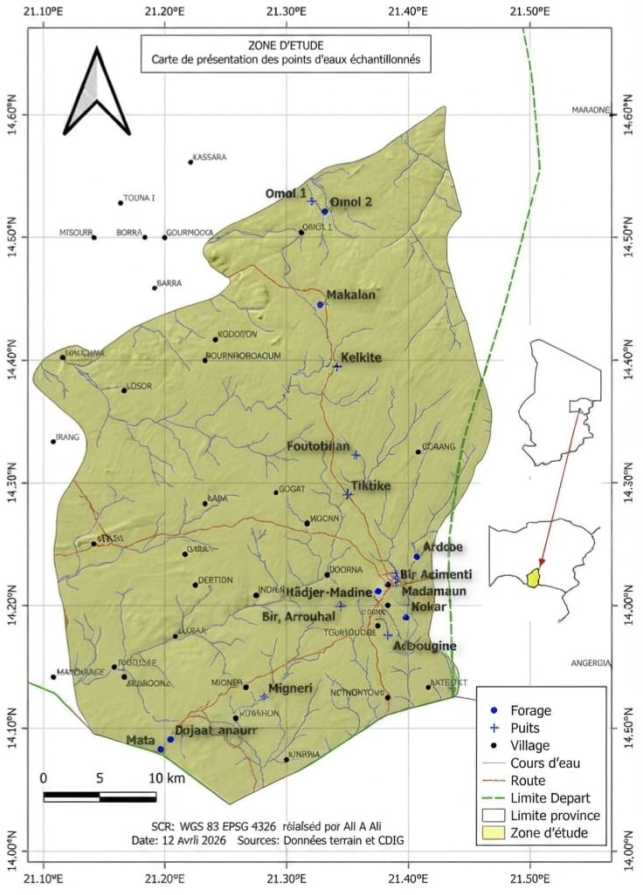
Figure 1. Astronomical location and sampling sites, Department of Dar Al-Fawakeh.
2.1. Materials
2.1.1. Study Area Overview
Department of Dar al-Fawakeh (
Figure 1) is located in the south-central part of Wadi Fira Province. It is bordered to the east by Department of Dar Tama, to the west by the Department of Bilten and to the south by the Department of Wara in Waddai Province. Geographically, the study area lies between latitudes 14˚.055' and 14˚.595' north of the equator and longitudes 21˚.056' and 21˚.456' east. Its area is approximately 5,000 square kilometers
| [31] | Mubarak Daoud Abdullah, Climate change indicators and their impact on fruit production: Dar El-Fawakeh Province, Case Study, University of N'Djamena, Faculty of Human Science, Unpublished Master's Thesis in Physical Geography, (2023). |
[31]
.
The locations of wells (shallow/surface, intermediate and deep) at the study area were identified to determine water characteristics based on their depth and reservoir levels and to record accurate information through careful observation and live viewing.
Thirty-two (32) well’s water samples were collected from sixteen (16) locations in the study area including nine (9) open wells and seven (7) closed wells selected from various locations in the study area, namely: (Amzwair, Makalan, Kelkite, Arbouguine, Ardebe, Foutoulkan, Omol (1), Mata, Djabal-annour, Hadjer- Madine, Kokar, Tiktike, Migneri).
2.1.2. Water Sample Collection
Water samples were collected in 250 ml plastic containers, then washed multiple times with water from the same well. After leaving the pumps running for more than 30 minutes, the samples were taken and documented by recording the sample number, well name, region, date, rock type, key sites near the well, location, time, and physicochemical properties. (EC, TDS, T, pH).
The locations of the samples were determined using a GPS device. The sample was then divided into three groups. A few drops of concentrated nitric acid (HNO3) were added to one group at a rate of 1 L/2 ml or 250 ml/0.5 ml for the sample taken to measure the heavy metals. Hydrochloric acid (HCl) was added to the second group to measure nitrate (NO3-) and phosphate (PO4-3) anions, while no acid has been added to the third group which was analyzed for the main element’s ions (Na+, K+, Ca++, Mg++, F-, Cl-). The samples were then sealed and stored at a temperature below 10°C.
The physical properties (temperature (T), electrical conductivity (EC), pH and the total dissolved solids (TDS) were measured simultaneously and accurately in the field using the Thermometer, EC-meter and pH-meter. The rest of samples were then transported to the National Water Laboratory (L.N.E.) in N’Djamena to determine their chemical and biological properties using standard methods.
2.2. Methods
2.2.1. Physical Analyses
The physical properties (temperature (T), electrical conductivity (EC), pH and the total dissolved solids (TDS) were measured simultaneously and accurately in the field using the Thermometer, EC-meter and a HI95130 Romania pH meter. Turbidity (NTU) was analyzed using MWagtech turbidity meter (CAL1800NTU/CAL2100NTU/CAL320NTU/CAL4NTU)
| [32] | Radhia Abu Al-Qasim Abu Rukaiba, Amal Al-Sayed Al-Azraq, Wafaa Muhammad Ba’yu, Marwa Mustafa Abu Tabeel, Hanan Salem Al-Shadid, Nada Ma’nouk Abu Rawi and Israa Abu Sharab, A Study of the Extent of Groundwater Pollution by Wastewater in Farms Surrounding the Al-Bayara (Lagoon) from a Chemical and Microbiological Perspective in the Anjila-Janzur Area. International Journal of Science and Technology, (2024). |
| [33] | Abada Rayan and Saadawi Jahiza, A hydro-chemical study of well’s water in Ouargla Province, Kasdi Meriah University of Ouargla, Faculty of Applied Sciences, Algeria, (2024), p. 32. |
[32, 33]
.
2.2.2. Chemical Analyses
Chemical properties of water samples were measured using Standard Methods. The analyses of calcium (Ca
2+) and magnesium (Mg
2+) cations were performed by titrating the sample with EDTA and adding 1 ml of TAMPON buffer solution (pH 12) using Calcon reagent. Sodium (Na
+) and potassium (K
+) were determined using a BWB flame photometer. Chloride (Cl
-) was determined by titration the sample with silver nitrate solution (AgNO
3). Bicarbonate (HCO
3-) ions were analyzed by titration the sample with sulfuric acid (H
2SO
4) using Alintin reagent. Ammonium (NH
4+), Phosphate (PO
43-), Sulfate (SO
42-), Nitrate (NO
3-), and Fluoride (F
-), as well as the heavy metals concentrations (Pb, Fe, Cu and Zn) in the samples were determined using a DR600 Spectrophotometer
| [34] | Najib Farouja and Azima Al-Shaba, Evaluating drinking water quality in Nalut City, University of Tripoli, Libya. JOPAS Vol. 17 No. 2, (2018). |
[34]
.
2.2.3. Microbiological Analyses
Microbiological analyses are focused on aerobic bacteria, fecal bacteria and total bacteria. The total bacterial count was estimated using the cast-plate method to estimate the microbial load using Coliforme Agar and Slanetz-Bartley Agar media. Incubation at 37°C for 24 hours resulted in formation of bacterial colonies which appeared in different colors. Petri dishes were removed from incubation, placed on a colony-counting microscope, while the colonies were counted using a magnifying lens. The bacterial species were then identified based on colony color and the culture medium utilized
| [35] | Gamar Mohammad Gamar, The Impact of Wastewater on Agriculture and Health in N'Djamena, Chad, PhD Dissertation in Environmental Science, Sudan Academy of Sciences (2017). |
[35]
.
2.2.4. Statistical Analysis
All characteristics measured were replicated and data were presented as means ± SD. Tables and figures were performed using Excel (2022). Duncan’s multiple range test was conducted using the Statistical Software (22, IBM, USA), with p<0.05 considered significant. The results obtained were compared with the Chadian and WHO standards.
3. Results and Discussion
3.1. Physical Properties of Well Water
Table 1. shows the values of the physical properties of well water in the study area.
Location | Temperature (˚C) | pH | CE (µS/cm) | TDS (mg/L) | Turbidity (NTU) |
Amzwair Madamqun | 27,7 ± 0,6 | 6,74 ± 0,06 | 97,7 ± 2,2 | 49,7 ± 1,2 | 91,00 ± 0,80 |
Makalan | 30,4 ± 0,2 | 7,21 ± 0,05 | 107,2 ± 1,0 | 54,3 ± 1,5 | 95,00 ± 1,10 |
Kelkite | 29,2 ± 0,9 | 7,39 ± 0,03 | 1018,5 ± 2,1 | 516,8 ± 4,5 | 89,03 ± 0,65 |
Arbouguine | 29,5 ± 0,3 | 6,67 ± 0,02 | 1065,2 ± 2,3 | 535,4 ± 2,3 | 3,44 ± 0,25 |
Ardebe | 30,0 ± 0,6 | 7,47 ± 0,04 | 266,5 ±2,0 | 135,4 ± 2,3 | 0,69 ± 0,04 |
Foutoulkan | 28,9 ± 0,5 | 6,90 ± 0,04 | 238,4 ± 2,0 | 120,3 ± 1,2 | 21,87 ± 1,05 |
Omol (1) | 29,7 ± 0,4 | 7,01 ± 0,03 | 789,4 ± 1,5 | 396,4 ± 2,6 | 1,32 ± 0,16 |
Mata | 31,6 ± 0,3 | 6,87 ± 0,02 | 703,1 ± 1,1 | 356,7 ± 4,2 | 6,93 ±0,00 |
Djabal-Annour | 32,1 ± 0,4 | 6,98 ± 0,03 | 812,3 ± 2,6 | 411,2 ± 1,9 | 0,41 ± 0,04 |
Hadjer-Madine | 31,6 ± 0,3 | 7,37 ± 0,04 | 677,9 ± 1,0 | 339,8 ± 3,6 | 2,18 ± 0,0 3 |
Amzwair Bir-Acimenti | 27,2 ± 0,5 | 6,50 ± 0,04 | 194,7 ± 1,3 | 98,7 ± 1,1 | 5,55 ± 0,86 |
Kokar | 33,2 ± 0,1 | 7,04 ± 0,03 | 409,5 ± 5,2 | 209,1 ± 3,0 | 0,64 ± 0,11 |
Tiktike | 28,1 ± 0,3 | 7,27 ± 0,04 | 633,3 ± 3,1 | 322,8 ± 3,1 | 0,48 ± 0,06 |
Migneri | 28,1 ± 0,2 | 7,74 ± 0,02 | 137,2 ± 1,7 | 69,4 ± 1,1 | 10,60 ± 0,65 |
Omol (2) | 29,2 ± 0,2 | 7,12 ± 0,03 | 481,8 ± 2,4 | 237,4 ± 2,6 | 1,05 ± 0,04 |
Am-Zoer (Bir-Arrouhal) | 27,7 ± 02 | 7,45 ± 0,02 | 436,8 ± 2,0 | 213,6 ± 2,2 | 66,90 ± 1,03 |
3.1.1. Temperature (T)
As shown in
Table 1, the groundwater temperature of the samples taken from the study area in September (autumn season) ranged between 27.00 and 33.2°C. The lowest temperature was recorded in Amzwair Madamqun well, and the highest temperature was recorded in Kokar well. This variation in temperature might be due to the differences in well depths, as well as the rock type and geographical distribution. Deep groundwater has a higher temperature than shallow groundwater near the surface.
3.1.2. PH (Power of Hydrogen)
The pH value in the water samples taken from the study area ranged between 6.50 and 7.74. The lowest and highest values were recorded in Amzwair Bir-Acimenti and Migneri wells respectively. However, this range of pH did not exceed the maximum permissible limit for drinking water. Therefore, the water is almost neutral in most of the 16 wells, tending slightly towards alkalinity in the Migneri well. These results conforming to the World Health Organization (WHO) and the Chadian National Standards (CNS) which allowable levels for drinking water between (6.5 - 8.5)
| [36] | WHO, Safe Drinking water from Desalination. World health organisation 20 Avenne Appia 1211, Geneva, 27, (2010). |
| [37] | Chadian National Standards (CNS), Decree No. 156 concerning the National Definition of Drinking Water quality assessment, Republic of Chad, (2010). |
[36, 37]
.
3.1.3. Electrical Conductivity (EC)
As shown in
Table 1, the result of electrical conductivity of water samples studied are ranging from 97.7 to 1065 µS/cm and all them are within the permissible limits for drinking water, according to WHO (2500 µS/cm) and Chadian National (1250 µS/cm) standards. The lowest conductivity value was recorded in Amzwair Madamqun well, while the highest value was recorded in Arbouguine well. The low electrical conductivity reflects a low degree of salinity and is an indicator of the quantity of dissolved salts in water. This decrease in electrical conductivity might be attributed to the autumn season, during which heavy rains led to a rise in groundwater levels and a dilution of dissolved salts.
3.1.4. Total Dissolved Solids (TDS)
Based on laboratory analysis of drinking water samples taken from the study area, the total dissolved solids (TDS) values recorded were ranged from 49.7 to 535.4. mg/L. The lowest and highest values were recorded in Amzwair Madamqun and Arbouguine wells respectively. All the values of TDS recorded are not exceeding the maximum limits (1500 mg/L) allowed by WHO and the Chadian National standards.
3.2. Chemical Properties of Well Water
3.2.1. Cations
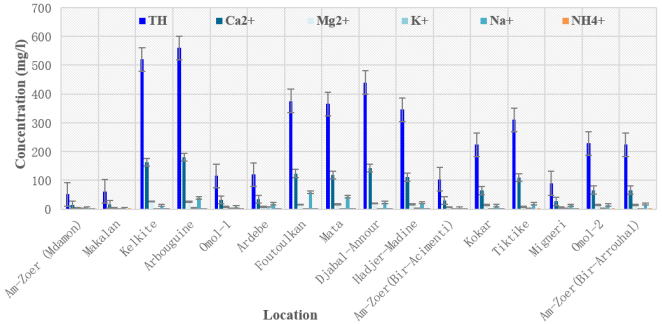
Figure 2. shows the concentration of cations in well's water in the study area.
(i). Calcium Ion (Ca2+)
The concentrations of calcium ions (Ca
2+) in the samples of well’s water in the study area were ranged from 15.2 to 180.8 mg/L. The lowest concentration was recorded in Amzwair Madamqun well, while the highest concentration was recorded in Arbouguine well (
Figure 2). It is observed that the concentration of calcium ions in Tiktike, Hadjer-Madine, Mata, Omol (1), Djabal-Annour, Kelkite, and Arbouguine, are respectively 110.2, 111.2, 119.2, 124, 142.4, 163.2, and 180.8 mg/L. These values are exceeded the limits (40 to 80 mg/L) allowed by WHO and the Chadian National standards. Meanwhile, the concentration of Calcium ions in Amzwair Madamqun, Makalan, Migneri, Ardebe, Foutoulkan, Kokar, and Omol (2) wells were falling within the permissible limits for drinking water.
(ii). Magnesium Ion (Mg2+)
The values magnesium ion concentration in drinking water samples taken from the study area were ranged between 3.40 mg/L in Amzwair Madamqun well and 27.22 mg/L in Kelkite well (
Figure 2). It is noticed that the magnesium ion concentrations are relatively low and did not exceed the limits permitted by WHO (10 to 30 mg/L) and the Chadian National standards (50 mg/L) for drinking water. Therefore, these values found in the water sample analyzed do not pose a threat to the living environment in the study area.
(iii). Potassium Ion (K+)
The concentrations of potassium ion (K
+) in the well water samples from the study area are ranged from 0.2 to 7.6 mg/L. The lowest concentration was recorded in the Makalan well, while the highest one was recorded in the Foutoulkan well (
Figure 2). These results indicate that the potassium ion concentrations in all wells in the study area are fall within the permitted limits allowed by WHO (1.1 to 10 mg/L) and the Chadian National standards (12 mg/L) for drinking water.
(iv). Sodium Ion (Na+)
The concentrations of sodium ion (Na
+) in the well water samples from the study area are ranged from 1.2 to 58.7 mg/L (
Figure 2). These values do not exceed the permitted limits allowed by WHO and the Chadian National standards (135 to 200 mg/L) for drinking water. The highest concentration was recorded in the Omol (1) well, while the lowest concentration was recorded in the Makalan well. The low sodium ion (Na
+) concentration might be attributed to the autumn season (September) during which the samples were taken at wet period when the concentration was sufficiently diluted by rainwater.
(v). Ammonium Ion (NH4+)
Figure 2 shows a variation in the concentration of ammonium ion (NH
4+) in the well water samples taken from the study area. It is observed that the concentrations of ammonium ions are generally low and slightly exceed the limits allowed by WHO (0.5 mg/L). The ammonium ion concentrations in Mata, Hadjer-Madine, Ardebe, Amzwair Madamqun, Foutoulkan, Omol (1) and Djabal-Annour wells were found to be 1.02, 0.94, 0.88, 0.57, 0.57, 0.57 and 0.57 mg/L respectively. These relatively high concentration of ammonium ion NH
4+ could be due to the interference of domestic wastewater, sewage, human, plant and animal waste with wells water.
3.2.2. Anions
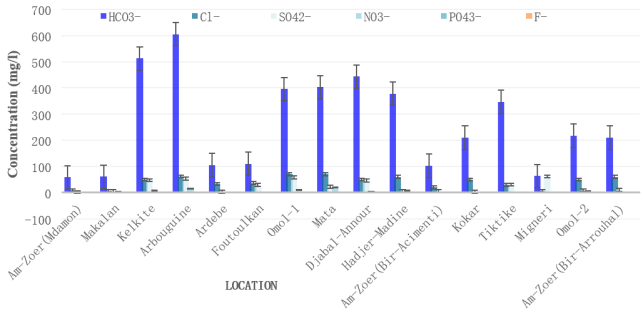
Figure 3. s. hows the concentration of anions in well water in the study area.
(i). Bicarbonate (HCO3-)
The concentration of bicarbonate ion (HCO
3-) in the well’s water was found to be ranged between (63.44 - 605.12 mg/L). As shown in
Figure 3, the lowest concentration was noted in Migneri well, while the highest concentration was recorded in Arbouguine well, it was exceeded the limit allowed by WHO (200 mg/L). The increase in bicarbonate concentration in well’s water might be due to the dissolution of carbon dioxide gas in the limestone, or the interaction of dolomite with water, or as a result of the merging of carbon dioxide gas with rainwater.
(ii). Chloride (Cl-)
According to the results in
Figure 3, the chloride ion concentration was found to be ranging between (6.00 - 70.00 mg/L). The lowest concentration was recorded at Makalan well, while the highest concentration was recorded at Omol (1) and Mata wells. These values of chloride ion concentration didn’t exceed the limits permitted by WHO and the Chadian National standards (200 to 250 mg/L) in drinking water. Since chlorine is found in nature in the form of salts (Na
+, K
+, Ca
2+), low concentrations of sodium, potassium, and calcium are offset by low concentrations of chlorine.
(iii). Sulfate (SO42-)
Figure 3 shows a variation in the concentration of sulphate ion (SO
42-) in the well water samples. the highest value (62 mg/L) was recorded in Migneri well, while the lowest value (2.00 mg/L) was recorded in Amzwair Madamqun. These values of sulphate ion concentration did not exceed the limit allowed by WHO and the Chadian National standards (250 mg/L) for drinking water.
(iv). Nitrate (NO3-)
The values of nitrate ion concentrations (NO
3-) in well’s water, was found to be ranged between (0.1 - 19.4 mg/L). The lowest concentration was recorded at Migneri well, while the highest concentration was recorded at Mata site (
Figure 3). The results showed that there was no contamination in the well water with nitrate ion (NO
3-). All the values of nitrate ion concentrations recorded in the study area did not exceed the limit (50 mg/l) allowed by the World Health Organization and the Chadian standards for drinking water.
(v). Phosphate (PO43-)
The values of phosphate ion concentrations (PO43-) in well’s water were ranged between (0.00 - 1.53 mg/L). The lowest concentration was recorded at Tiktike well and the highest concentration was recorded at Ardebe site. The increase in phosphate concentration in well water might be attributed to the presence of limestone rocks containing a percentage of sediments. Phosphates can seep through the soil under the influence of rainfall into well water and increase its concentration. The high levels of phosphate are mainly attributed to the using of agricultural fertilizers and pesticides by the residents. In case of excessive phosphate consumption, phosphine gas is produced in the digestive system. When this gas reacts with gastric juices, it can lead to the death of consumers.
(vi) Fluoride (F-)
As shown in
Figure 4, the concentration of fluoride in the well’s water samples are ranged between (0.01 mg/L) at Migneri and Am zwair Arrouhal sites to (2.67 mg/L) at Kelkite well. These findings indicate that the presence of fluoride in ten (10) samples from the study area, namely: Kelkite, Makalan, Kokar, Djabal-Annour, Hadjer-Madine, Ardebe, Tiktike, Omol (1), Foutoulkan and Arbouguine) are (2.67, 2.42, 2.05, 1.80, 1.78, 1.32, 1.04, 0.90, 0.85 and 0.78 mg/L) respectively. These values were largely exceeded the limits allowed by WHO and the Chadian standards for drinking water (0.7 mg/L).
3.2.3. Heavy Metals
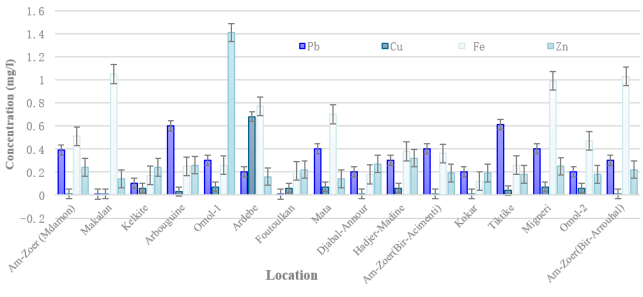
Figure 4. shows the concentrations of heavy metals in well water in the study area.
(i). Lead (Pb)
According to the results shown in
Figure 4, the contamination of lead in all well’s water samples at the study area was ranged between (0.01 to 0.61 mg/L). The lowest concentration was recorded at Makalan and Omol (1) wells, while the highest concentration was recorded at Tiktike well. These results revealed that the lead concentration in almost all wells water at the study area was exceeded the limits permitted by the Chadian Standards for drinking water (0.01 mg/L) and that (0.05 mg/L) allowed by Food and Agriculture Organization (FAO) for irrigation water
| [38] | Food and Agriculture Organization (FAO), Water quality for agriculture irrigation and drainage, p. 29, Rev. 1. Rome, (1994), 174 pp. |
[38]
. This high concentration of lead in the water samples might be due to the decomposition of granite rocks which are found throughout most of the Department from its far east to its west and from its far north to its south, by rain, heat and wind during the autumn season.
(ii). Copper (Cu)
As shown in
Figure 4, the concentrations of copper ions in the samples of well’s water were ranged between 0.01 to 0.68 mg/L. The lowest concentrations were recorded at Amzwair Madamqun, Makalan, Djabal-Annour, Amzwair Bir-Acimenti, Kokar, and Am zwair Arrouhal wells, while the highest concentration was recorded at Foutoulkan well. All the values of copper ions concentration in water samples taken from the study area are felt within the permissible limits, indicating the absence of copper ion contamination in the water samples.
(iii). Iron (Fe)
As shown in
Figure 4, The concentrations of iron ions (Fe) in the well’s water samples were ranged between 0.12 to 1.05 mg/L. The lowest concentration was recorded at Kokar well and the highest concentration recorded at Makalan well. The concentrations of iron ions in nine (09) samples from the study area were largely exceeded the limits allowed by WHO and the Chadian standards for drinking water (0.3 mg/L). A high iron concentration was observed in well’s water near population centers, this could be attributed to the dissolution of some minerals that make up the area's sediments, particularly the iron-rich sedimentary deposits in the southern areas.
(iv). Zinc (Zn)
According to
Figure 4, the values of zinc ion concentrations in the well’s water samples were ranged between 0.14 and 1.42 mg/L. All these values are below the limit (3 mg/L) allowed by the World Health Organization and the Chadian Standards for drinking water. The lowest concentration was recorded at Makalan and Mata wells and the highest concentration was recorded at Ardebe well. This evidence confirms that the water samples at the study area was not contaminated with zinc ions during the period of collection of water samples.
3.3. Biological Properties of Well’s Water
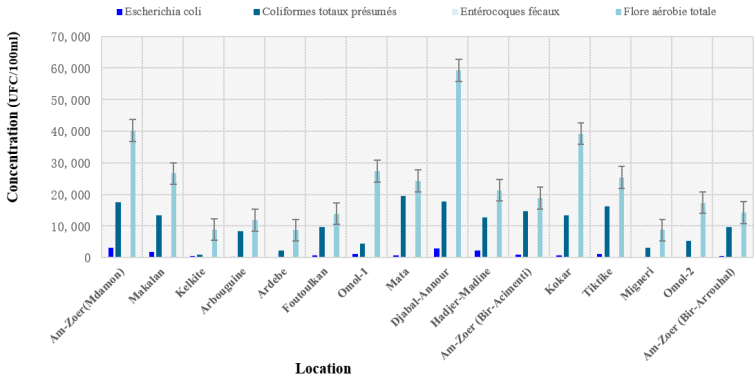
Figure 5. Microbiology analyses of well water in study area.
Figure 5 shows the results of microbiological analyses performed in well’s water in the study area. It was regrouped four types of bacteria:
1) Escherichia coli (24h at 36±1°C) /Gélose chromocult)
2) Total presumed coliforms (24h at 36±1°C) /Gélose chromocult) (thermophile)
3) Enterococcus feces (48h at 36± 1°C) / Milieu Slanetz & Barthley)
4) Aerobic bacteria (24-48h at 36±1°C) /PCA)
According to the results of all samples analysis, it was observed that bacterial colonies were presented in numbers far exceeding the limit (0.00 ml UFC/100) allowed by the World Health Organization (WHO) and the Chadian Standards for drinking water. These results indicate that all samples are contaminated with bacteria (bacteriological contamination).
The presence of Escherichia coli (E. coli) in the water samples was an indicator of water contamination, which could be attributed to the contamination of well’s water in these areas with human and animal waste, because these areas were populated with both human and domestic animals. Also, the presence of coliform bacteria and fecal coliform bacteria indicates that the water in that area was contaminated with sewage and domestic waste, because these types of bacteria were characterized by their ability to survive for an extended period in water bodies and swamps. This finding confirms a very high level of bacteriological contamination in all the study sites, that represent a part of the department of Dar Al-Fawakeh. Therefore, it is imperative to find solutions in order to limit the spread of this type of bio-environmental pollution, which threatens the lives of animals, plants, and humans in that area.
4. Conclusion
Assessment of drinking water quality in the department of Dar Al-Fawakeh revealed that the majority of the surveyed wells are highly contaminated and entirely unfit for human consumption. While baseline physical properties like temperature, pH, electrical conductivity (EC), and total dissolved solids (TDS) currently comply with national and international standards, severe chemical and biological pollutions pose a threat to public health and regional socio-economic stability. Elevated fluoride at ten crucial sites led by the Kelkite and Makalan wells, exhibited hazardous fluoride () concentrations up to , far above the allowable () limit, putting residents at risk for severe skeletal and dental fluorosis. Runoff from agricultural fertilizers has also spiked dangerous levels of phosphate () and ammonium () in multiple wells. Concerning heavy metals, Lead () concentrations across nearly all wells exceeded the safe drinking threshold (). Moreover, nine out of sixteen sites showed iron () concentrations vastly outstripping the standard limit (), stemming from natural mineral dissolution in the southern sedimentary deposits. Several locations (Makalan, Madamqun, Kelkite, and Foutoulkan) suffer from extreme turbidity levels (up to compared to the safe limit of ), which further shelters pathogen growth and exacerbates gastrointestinal diseases. Concerning microbiological contamination, every single water sample analyzed tested positive for massive bacterial colonies including Escherichia coli, total presumed coliforms, and fecal enterococci far exceeding the permissible limits (0 UFC/100 ml) set by the WHO and Chadian Standards. This heavy biological pollution is driven by the infiltration of domestic wastewater, sewage, and livestock waste into traditional shallow and open wells. This study concludes that the traditional water sources that the population relies upon are deeply compromised by human, animal, and agricultural waste. There is an urgent, imperative need for local government and environmental agencies to implement rigorous water treatment solutions, restrict pollution sources, and establish secure water-provision infrastructure to protect the health, development, and well-being of the community of Dar Al-Fawakeh department. Based on the findings, we recommend the following:
1) Constructing water purification plants throughout the Department of Dar Al-Fawakeh to ensure safe drinking water, with regular maintenance and quality control.
2) The authority should ensure the maintenance of water sources, the proper disposal of agricultural and industrial waste, and the implementation of environmental protection measures.
3) Using filtration systems and equipment for boiling well’s water at the household level to minimize potential health risks.
Abbreviations
WHO | World Health Organization |
EC | Electrical Conductivity |
TDS | Total Dissolved Solids |
L.N.E | National Water Laboratory |
T | Temperature |
pH | Power of Hydrogen |
FAO | Food and Agriculture Organization |
UFC | Unidad Formadora de Colonias (ColonyForming Unit) |
NTU | Nephelometric Turbidity Unit |
CNS | Chadian National Standards |
Acknowledgments
The authors extend gratitude to the Ministry of Higher Education, Scientific Research and Professional Formation and the Doctorate School of University of N’Djamena for providing all necessary support.
Author Contributions
Balkis Mahamoud Adam: Conceptualization, Methodology, Writing – original draft, Writing – review & editing
Ahmed Mohammed Mohagir: Methodology, Supervision, Writing – review editing
Nde Divine Bup: Data curation, Formal Analysis, Validation
Funding
This research work was supported by a partnership between the Chadian Ministry of Higher Education, Scientific Research and Professional Formation and the Islamic Development Bank (PRODEST 2025-2026).
Conflicts of Interest
The authors declare no conflicts of interest.
References
| [1] |
Al-Mahdi, Muhammad Wanees Amjahid Al-Mahdi, Saleh Abdul Rahim Ahmed Al-Banqiyah and Khalifa Faraj Al-Qadri, Water Quality Assessment in Water Treatment Systems at Commercial Desalination Plants (Filters) in Ben Jawad City - Libya, Journal of Human and Natural Sciences, Volume (6), Issue (2), (2025), pp. 386, 391.
|
| [2] |
Al-Hayek Nasr Al-Hayek, Introduction to Water Chemistry (Pollution, Treatment, Analysis), Publications of the Higher Institute for Applied Sciences and Technology, Syrian Arab Republic (2017).
|
| [3] |
Jaber Zayed Barisha and Muhammad Ahmad Sharif, Water Pollutants: Their sources and treatment methods, 1st Edition - Cairo: University Publishing House (2018).
|
| [4] |
Harmel Obami Ondon, Martin Tchoumou, Kempena Adolphe, Christian Tathy and Bernard Mabiala, Effect of Seasonal Variability on the physicochemical quality of Surface and ground water of the Republic of Congo). International Research Journal of Environmental Sciences, (2024), Vol 13 (1).
|
| [5] |
Ahmed M. B., Zhou J. L., Ngo H. H., Guo W., Thomaidis N. S., and Xu J., Progress in the biological and chemical treatment technologies for emerging contaminant removal from wastewater: a critical review. J. Hazard. Mater. 323, (2017), pp 274–298.
|
| [6] |
Asmaa Sayed Mohamed Zayed, Salma Mahmoud Taj El-Din, Christine Girgis Zaki, Manar Mohamed Shukri and Menna Allah Nasr Ibrahim El-Desouki, Developing awareness among high school students about the problem of environmental pollution through geography courses. Ain Shams University, AASH, Volume 1 issue 1, (2024), p. 4.
|
| [7] |
Hani Abdel Qader Amara, Water Between Science and Faith, First Edition, Zahran Publishing and Distribution House, (2011), p. 307.
|
| [8] |
Habib Fadlallah Youssef, Abdel-Aali Idris Muhammad, Groundwater Quality Assessment and Potability Assessment of Some Wells in the Municipality of Amsaad, Al-Manara Magazine, Issue 4, (2021), p. 102.
|
| [9] |
Jumaa Abdel Gawad Mohamed Ali, Advanced Nanomaterials for Water Treatment - Environmental Dimensions, Department of Chemistry, Faculty of Science, Al-Azhar University, Assiut, Egypt, Arab Journal of Scientific Research Volume 4, (2023.), Issue (2).
|
| [10] |
Laila Khurshid Arslan, Raw’a Radwan Abdul Bari and Sundus Hadi Juma, Treatment of Environmental Pollution of Industrial Water Contaminated with Sulfates in Al-Dura Refinery, Journal of the College of Basic Education, Volume 22, Issue 96, (2016), pp. 191-198.
|
| [11] |
Dhamia Adham Hussein Al-Jabouri, Spatial variation in groundwater characteristics in Al-Muthanna Province and the possibility of investing it, University of Baghdad, Faculty of Education, PhD thesis, (2021).
|
| [12] |
Sumaya Abdel Halim Ali Abdel Halim, Wajdan Diab Al-Jaali Diab, Nasser Abdel Rahman Mustafa Abdel Rahman Ahmed Saif Al-Din and Mohamed Khair Ali, The suitability of domestic well water in Port Sudan, Red Sea State, Sudan. Journal of Human and Natural Sciences, Volume (3), Issue (12), (2022), p. 3, 295.
|
| [13] |
Boyd Claud E., Water quality and conduction, Kluwer Academin Publishers, USA, (2000), p. 5, 45.
|
| [14] |
Manar Majid Hamid and Mustafa Muhammad Ali, A Study of the Variation in the Characteristics and Pollutants of Drinking Water in Nasiriyah City. Journal of Human and Natural Sciences, Volume (5), Issue (2), (2024), pp. 39, 40.
|
| [15] |
Todd David K., Ground Water Hydrology. 3ed., John Wiley and Sons New York, USA, (2005), p. 535.
|
| [16] |
World Health Organization (WHO), Safe Drinking water from Desalination. 20 Avenne Appia 1211, Geneva, 27, (2011), p. 423.
|
| [17] |
Huda Ahmed Mohammed Arjia, Groundwater Components and Their Suitability for Drinking and Irrigation Purposes in the Al-Marj Region, Journal of Human and Natural Sciences, Volume (3), Issue (1), (2022), p. 349.
|
| [18] |
Al-Jumaili, Gasim Obaid Fadel, Groundwater and the possibility of investing in it in agricultural production in Al-Karma district, Master's thesis, College of Arts, University of Anbar, (2010), p. 65.
|
| [19] |
Drever, J. I., The Geochemistry of natural water, Surface and ground water environments (3nd ed.) Prentice Hall, USA, (1977), P. 436.
|
| [20] |
Hussein Moussa Hussein, Assessment of Groundwater Pollution in the Nakra Al-Salman Area in the Southern and Southwestern Parts of Samawah City, Iraq, Journal of Geographical Research, Issue (16), (2010), p. 288.
|
| [21] |
Jaber Zayed Barisha and Mohamed Ahmed Sharif, Water pollutants, their sources and methods of treatment, Cairo Universities Publishing House. 1st edition, (2018).
|
| [22] |
Abdulateef Ali Akram and Kadhim M. Naser, A study of Irrigation water pollution by some heavy metals in Baghdad, IOP Conf. Ser.: Earth Environ. Sci. 910 012091, (2021).
|
| [23] |
Saleh A. Albbanqeeyah, Gabril Elshlmani, Khalefa Mosbah and Jadlmulah Masoud, Evaluation of Groundwater Resources and Their Suitability for Drinking and Irrigation Purposes in Al-Marj City, Humanities & Natural Sciences Journal, Volume 5. Issue 12, (2024).
|
| [24] |
Abdul Hamid Khalifa Muhammad, Al-Taher Masoud Shaaban and Ibrahim Rafiq Rafida, A Study of the Physicochemical and Microbiological Properties of Some Vegetables Irrigated with Treated Wastewater, Publications of the Faculty of Agriculture, Al-Fateh University, Tripoli, (2010), p. 112.
|
| [25] |
WHO, Guidelines for drinking-water quality: second addendum. Volume 1, Recommendations, 3rd Edition (2008).
|
| [26] |
WHO, Water Pollutants: Biological Agents, Dissolved Chemicals, Nondissolved Chemicals, Sediments, Heat. WHO CEHA. Amman, Jordan (2002).
|
| [27] |
WHO, Progress on household drinking water, sanitation and hygiene 2000–2024: special focus on inequalities (or associated World Development Indicators), (2025).
|
| [28] |
Mohammed Najib Ben Saad, George William Kayanja, and Stevenson Male Ssevume, Water and sanitation still major challenges in Africa, especially for rural and poor citizens, Afrobarometer Dispatch No. 784, (2024).
|
| [29] |
DOMBOR Djikoloum Dingao and DJEBE Mbaindongoum, Problem of access to potable water in Abéché City, Chad, (2018).
|
| [30] |
Amani Assem, The role of virtual water trade in water challenges in the Middle East, Journal of the Faculty of Economics and Political Science, jpsa.journals.ekb.eg., (2022).
|
| [31] |
Mubarak Daoud Abdullah, Climate change indicators and their impact on fruit production: Dar El-Fawakeh Province, Case Study, University of N'Djamena, Faculty of Human Science, Unpublished Master's Thesis in Physical Geography, (2023).
|
| [32] |
Radhia Abu Al-Qasim Abu Rukaiba, Amal Al-Sayed Al-Azraq, Wafaa Muhammad Ba’yu, Marwa Mustafa Abu Tabeel, Hanan Salem Al-Shadid, Nada Ma’nouk Abu Rawi and Israa Abu Sharab, A Study of the Extent of Groundwater Pollution by Wastewater in Farms Surrounding the Al-Bayara (Lagoon) from a Chemical and Microbiological Perspective in the Anjila-Janzur Area. International Journal of Science and Technology, (2024).
|
| [33] |
Abada Rayan and Saadawi Jahiza, A hydro-chemical study of well’s water in Ouargla Province, Kasdi Meriah University of Ouargla, Faculty of Applied Sciences, Algeria, (2024), p. 32.
|
| [34] |
Najib Farouja and Azima Al-Shaba, Evaluating drinking water quality in Nalut City, University of Tripoli, Libya. JOPAS Vol. 17 No. 2, (2018).
|
| [35] |
Gamar Mohammad Gamar, The Impact of Wastewater on Agriculture and Health in N'Djamena, Chad, PhD Dissertation in Environmental Science, Sudan Academy of Sciences (2017).
|
| [36] |
WHO, Safe Drinking water from Desalination. World health organisation 20 Avenne Appia 1211, Geneva, 27, (2010).
|
| [37] |
Chadian National Standards (CNS), Decree No. 156 concerning the National Definition of Drinking Water quality assessment, Republic of Chad, (2010).
|
| [38] |
Food and Agriculture Organization (FAO), Water quality for agriculture irrigation and drainage, p. 29, Rev. 1. Rome, (1994), 174 pp.
|
Cite This Article
-
-
@article{10.11648/j.ajac.20261404.12,
  author = {Balkis Mahamoud Adam and Ahmed Mohammed Mohagir and Nde Divine Bup},
  title = {Assessment of Drinking Water Pollution in the Department of Dar Al-Fawakeh},
  journal = {American Journal of Applied Chemistry},
  volume = {14},
  number = {4},
  pages = {72-84},
  doi = {10.11648/j.ajac.20261404.12},
  url = {https://doi.org/10.11648/j.ajac.20261404.12},
  eprint = {https://article.sciencepublishinggroup.com/pdf/10.11648.j.ajac.20261404.12},
  abstract = {This study was conducted to evaluate the quality of drinking water in the Department of Dar Al-Fawakeh through its physical, chemical and biological characteristics, as well as to estimate the concentration of some heavy elements during September 2024. The pH, total dissolved solids (TDS), electrical conductivity (EC), temperature (TºC), turbidity (TNU), major cations (calcium Ca2⁺, magnesium Mg2⁺, sodium Na+, potassium K+ and ammonium NH4+), major anions (phosphate PO4-3, sulfate SO42-, nitrate NO3-, bicarbonate HCO3⁻, chloride Cl⁻, and fluoride F⁻) were measured, along with some heavy metals (lead Pb, iron Fe, copper Cu, and zinc Zn) from well water samples taken from sixteen (16) identified locations in the study area of Dar Al-Fawakeh Department, namely: Amzwair Madamqun, Makalan, Kelkite, Arbouguine, Ardebe, Foutoulkan, Omol (1), Mata, Djabal-annour, Hadjer-Madine, Amzwair Acimenti, Kokar, Tiktike, Migneri, Omol (2), and Am zwair Arrouhal. The samples were analyzed and the results were compared with the World Health Organization (WHO), European Union (EU) and the Chadian drinking water standards (C.S). The study revealed very high turbidity values (95, 91, 89.03, and 21.87 NTU) in the wells of Makalan, Madamqun, Kelkite, and Foutoulkan, respectively. These values exceeded the permissible turbidity limit (5 NTU) set by the WHO and the EU. The cation analysis revealed varying concentrations of calcium ions (Ca2⁺), including the value180.8 mg/L that exceeding the Chadian standard (100 mg/L). Ammonium ions (NH4+) reached a concentration of 1.02 mg/L, exceeding the WHO limit (0.5 mg/L). The anion analysis also showed high levels of bicarbonate (605.12 mg/L), phosphate (1.53 mg/L), and fluoride (2.67 mg/L). All these anions exceeded the WHO and Chadian standards, which are 200, 0.1 and 0.7 mg/L respectively. The results of heavy metal analyses showed high levels of lead (0.61 mg/L) and iron (1.03 mg/L) in the Tiktike and Am zwair Ar-rohal wells, respectively. These levels exceeded the permissible limits for lead (0.01 mg/L) and iron (0.3 mg/L) according to WHO) and Chadian standards (0.05 mg/L). Microbiological analyses also confirmed very high levels of microbiological contamination exceeding the WHO limits. Turbidity is an indicator of poor water quality and provides a fertile environment for microbial growth and the development of gastrointestinal diseases (diarrhea, dysentery, cholera) and other parasitic infections. Fluoride exposure leads to fluorosis (reddened teeth), skeletal fluorosis, osteoporosis in children and adults, and bone deformities, particularly in the legs, knees, and hips. Even small amounts of lead can cause cancer, kidney and nervous system inflammation, brain damage, anemia, severe constipation, vomiting, and general neurological disorders, headaches, paralysis, coma, impaired cognitive function, reduced intelligence, and aggressive behavior. These analyses indicate that most of the water in these wells is contaminated and unfit for drinking, negatively impacting the health of population and consequently their social and economic well-being.},
 year = {2026}
}
 Copy
|
Copy
|
 Download
-
TY  - JOUR
T1  - Assessment of Drinking Water Pollution in the Department of Dar Al-Fawakeh
AU  - Balkis Mahamoud Adam
AU  - Ahmed Mohammed Mohagir
AU  - Nde Divine Bup
Y1  - 2026/09/18
PY  - 2026
N1  - https://doi.org/10.11648/j.ajac.20261404.12
DO  - 10.11648/j.ajac.20261404.12
T2  - American Journal of Applied Chemistry
JF  - American Journal of Applied Chemistry
JO  - American Journal of Applied Chemistry
SP  - 72
EP  - 84
PB  - Science Publishing Group
SN  - 2330-8745
UR  - https://doi.org/10.11648/j.ajac.20261404.12
AB  - This study was conducted to evaluate the quality of drinking water in the Department of Dar Al-Fawakeh through its physical, chemical and biological characteristics, as well as to estimate the concentration of some heavy elements during September 2024. The pH, total dissolved solids (TDS), electrical conductivity (EC), temperature (TºC), turbidity (TNU), major cations (calcium Ca2⁺, magnesium Mg2⁺, sodium Na+, potassium K+ and ammonium NH4+), major anions (phosphate PO4-3, sulfate SO42-, nitrate NO3-, bicarbonate HCO3⁻, chloride Cl⁻, and fluoride F⁻) were measured, along with some heavy metals (lead Pb, iron Fe, copper Cu, and zinc Zn) from well water samples taken from sixteen (16) identified locations in the study area of Dar Al-Fawakeh Department, namely: Amzwair Madamqun, Makalan, Kelkite, Arbouguine, Ardebe, Foutoulkan, Omol (1), Mata, Djabal-annour, Hadjer-Madine, Amzwair Acimenti, Kokar, Tiktike, Migneri, Omol (2), and Am zwair Arrouhal. The samples were analyzed and the results were compared with the World Health Organization (WHO), European Union (EU) and the Chadian drinking water standards (C.S). The study revealed very high turbidity values (95, 91, 89.03, and 21.87 NTU) in the wells of Makalan, Madamqun, Kelkite, and Foutoulkan, respectively. These values exceeded the permissible turbidity limit (5 NTU) set by the WHO and the EU. The cation analysis revealed varying concentrations of calcium ions (Ca2⁺), including the value180.8 mg/L that exceeding the Chadian standard (100 mg/L). Ammonium ions (NH4+) reached a concentration of 1.02 mg/L, exceeding the WHO limit (0.5 mg/L). The anion analysis also showed high levels of bicarbonate (605.12 mg/L), phosphate (1.53 mg/L), and fluoride (2.67 mg/L). All these anions exceeded the WHO and Chadian standards, which are 200, 0.1 and 0.7 mg/L respectively. The results of heavy metal analyses showed high levels of lead (0.61 mg/L) and iron (1.03 mg/L) in the Tiktike and Am zwair Ar-rohal wells, respectively. These levels exceeded the permissible limits for lead (0.01 mg/L) and iron (0.3 mg/L) according to WHO) and Chadian standards (0.05 mg/L). Microbiological analyses also confirmed very high levels of microbiological contamination exceeding the WHO limits. Turbidity is an indicator of poor water quality and provides a fertile environment for microbial growth and the development of gastrointestinal diseases (diarrhea, dysentery, cholera) and other parasitic infections. Fluoride exposure leads to fluorosis (reddened teeth), skeletal fluorosis, osteoporosis in children and adults, and bone deformities, particularly in the legs, knees, and hips. Even small amounts of lead can cause cancer, kidney and nervous system inflammation, brain damage, anemia, severe constipation, vomiting, and general neurological disorders, headaches, paralysis, coma, impaired cognitive function, reduced intelligence, and aggressive behavior. These analyses indicate that most of the water in these wells is contaminated and unfit for drinking, negatively impacting the health of population and consequently their social and economic well-being.
VL  - 14
IS  - 4
ER  -
Copy
|
Download





 Share This Article
 Twitter
 Linked In
 Facebook